Stay Ahead of the Curve
Latest AI news, expert analysis, bold opinions, and key trends — delivered to your inbox.
200+ Experts Warn AI Could Trigger Major Economic Disruption
3 min read More than 200 leading economists, AI researchers, and policy experts are urging governments to act now, warning that artificial intelligence could reshape labor markets and deepen inequality if left unchecked. July 13, 2026 11:27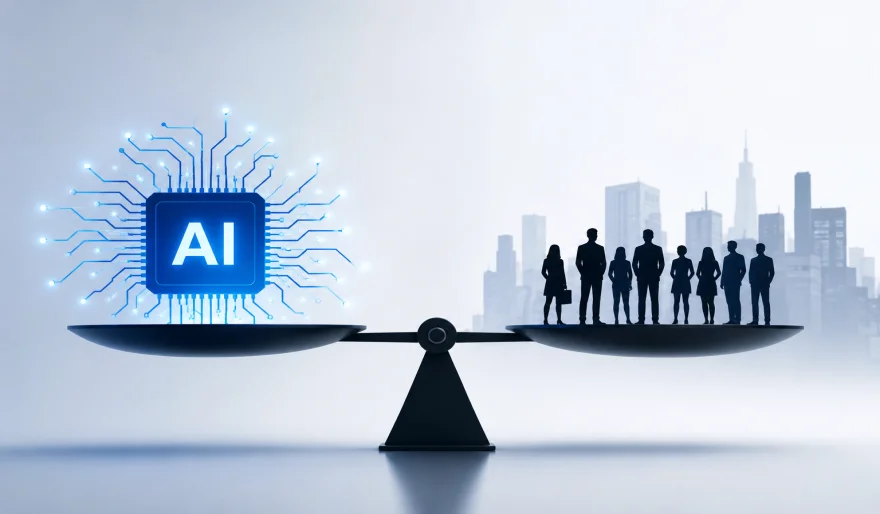
The conversation around AI is shifting.
For the past two years, the focus has largely been on breakthrough models, billion-dollar investments, and the race toward artificial general intelligence. Now, over 200 experts are sounding the alarm about something equally important: AI's economic impact.
In an open call, the group argues that governments are moving far too slowly to prepare for the economic disruption AI could bring. They warn that rapid automation may displace millions of workers, concentrate wealth among a handful of AI companies, and widen existing income gaps if policymakers fail to act.
Rather than slowing AI innovation, the experts are calling for smarter economic planning. Their recommendations include investing in workforce retraining, strengthening social safety nets, improving data collection on AI's impact, and creating policies that ensure the productivity gains from AI are shared more broadly across society.
The warning comes as businesses increasingly deploy AI across customer service, software development, finance, healthcare, and manufacturing—raising fresh questions about how quickly jobs and industries could change.
Why It Matters
The AI debate is no longer just about building better models—it's becoming a debate about who benefits economically from the technology. As AI adoption accelerates, governments may face growing pressure to balance innovation with policies that protect workers and reduce inequality.
The Upside
If managed well, AI could significantly boost productivity, create entirely new industries, lower business costs, and drive long-term economic growth while opening opportunities for new types of work.
The Downside
Without proactive policies, AI could accelerate job displacement, increase wealth concentration, and leave many workers struggling to adapt to a rapidly changing economy.
The Bottom Line
The message from the experts is clear: the AI revolution is no longer a future concern—it's an economic challenge unfolding today. The decisions governments make over the next few years could determine whether AI becomes a force for shared prosperity or greater economic inequality.














 AI Agents