Stay Ahead of the Curve
Latest AI news, expert analysis, bold opinions, and key trends — delivered to your inbox.
Gmail is entering the Gemini era
6 min read Gmail enters the Gemini era, adding AI tools to summarize, draft, and organize emails — turning inboxes into smart, context-aware productivity assistants. January 09, 2026 12:51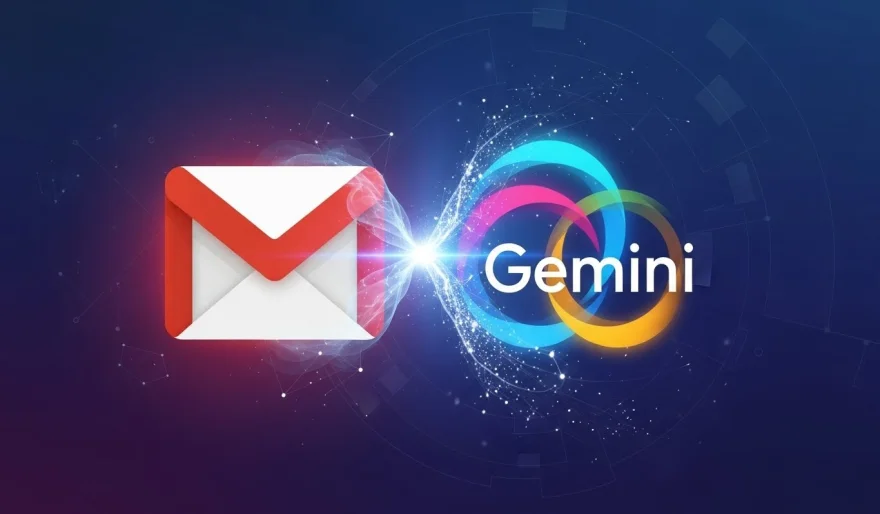
Google is rolling out its most ambitious AI upgrade to Gmail yet, marking what the company calls the start of the “Gemini era” for its flagship email platform. Gmail is getting a suite of Gemini-powered tools designed to transform email from a passive inbox into a proactive AI assistant that helps you write, summarize, organize, and answer questions about your email automatically.
This isn’t about a single feature. It’s a fundamental shift in how Gmail works — and how millions of people manage digital communication.
What’s new in Gmail with Gemini AI
Google is layering its latest Gemini 3 AI model directly into Gmail, bringing several practical capabilities:
-
AI Overviews — Automatically summarize long email threads into concise briefs, surface the key points, and extract actionable insights. Users can also ask natural-language questions about their inbox (e.g., “Who sent me the latest invoice?”) and get direct answers.
-
Help Me Write — Draft or refine emails with AI assistance based on your tone and context.
-
Suggested Replies — Smarter, context-aware one-tap replies generated by Gemini instead of traditional algorithmic smart replies.
-
Proofread — Enhanced grammar, tone, and clarity checks (available to paid subscribers).
-
AI Inbox — A new view that highlights priority messages and suggests topics to catch up on, turning email into a personalized to-do list rather than a chronological dump.
For users, this means Gmail is no longer just email software — it’s becoming a context-aware productivity assistant designed to reduce the friction of managing digital life.
Why this matters
This isn’t merely a fresh coat of AI paint on an old product. It signifies a broader shift in how generative AI is being embedded into everyday tools:
-
From passive inbox to active assistant. AI isn’t just summarizing or drafting content — it’s anticipating needs, such as extracting key info from old correspondence or helping you prioritize your day.
-
Productivity reimagined. Gmail has long been a swamp of information. Gemini’s ability to answer questions inside your inbox could cut hours of manual digging and context switching.
-
AI gets practical. While many AI upgrades are experimental, Gmail’s new features hit common pain points — email overload, slow response cycles, and buried information — and address them directly.
User impact and concerns
For users, the benefits are clear: faster drafting, smarter sorting, and turning your inbox into a searchable knowledge hub. But with these gains come familiar questions about privacy and control:
-
Google is reassuring users that Gmail content isn’t used to train Gemini AI models, even as generative assistance grows deeper.
-
Some privacy advocates warn that embedding AI into personal email raises new expectations for transparency and consent. Users still have the option to disable AI features, though doing so can impact other smart tools.
Industry meaning
Google’s move places a big bet on AI not just as a feature, but as foundational utility. While competitors like Microsoft and OpenAI push smart assistants in documents and search, Gmail’s transformation shows where everyday productivity will cluster around AI help. For the AI industry, this cements a trend: AI is migrating from novelty to infrastructure, and legacy tools are being reimagined around AI — not AI added onto them.
The bottom line
Gmail entering the Gemini era isn’t just another product update — it’s a milestone in AI adoption. Google is making inboxes smarter, more conversational, and less tedious. The implications go beyond Gmail: the future of work — and how we manage information — is increasingly AI-driven, seamless, and intuitively interactive.













 AI Agents