Stay Ahead of the Curve
Latest AI news, expert analysis, bold opinions, and key trends — delivered to your inbox.
Meta Employees Say AI Helped Decide Layoffs
4 min read A new lawsuit against Meta is highlighting a growing challenge in the AI era: when algorithms influence hiring or layoffs, employees may have little way to prove it. The case could become a major test of how transparent companies must be when AI is involved in workplace decisions. July 22, 2026 14:00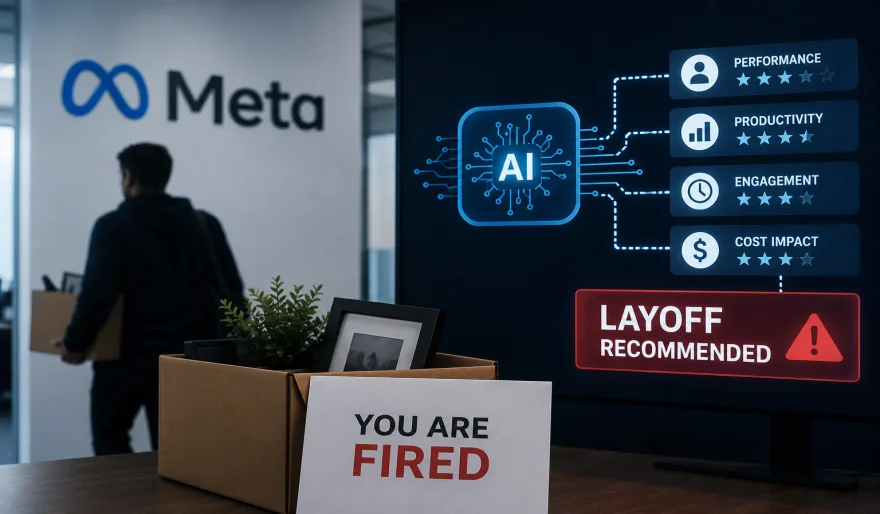
As more companies integrate AI into human resources, a new legal battle against Meta is raising a question that could affect millions of workers: How do you prove an AI system played a role in your dismissal?
Former Meta employees allege that artificial intelligence influenced decisions during the company's workforce reductions. The problem, however, is that AI-driven decision-making often happens behind closed doors. Companies rarely disclose exactly how their internal algorithms rank employees, recommend layoffs, or evaluate performance.
That creates a difficult legal challenge. Traditional employment lawsuits rely on emails, manager testimony, or documented policies. But when AI is involved, the reasoning may be hidden inside proprietary models, making it difficult for employees to demonstrate whether an algorithm contributed to the final decision.
Legal experts say this case reflects a broader issue facing workplaces worldwide. AI is increasingly being used to screen job applicants, evaluate employee performance, recommend promotions, and identify workers for restructuring. While companies maintain that humans make the final decisions, AI recommendations can heavily influence those outcomes.
The Meta lawsuit could therefore have implications far beyond one company. If courts require employers to disclose how AI systems contribute to employment decisions, it could establish new standards for transparency, documentation, and accountability across the tech industry.
Why it matters
AI is rapidly becoming part of workplace decision-making, but most employees have little visibility into how these systems operate. This case could shape future rules around AI transparency, employee rights, and corporate accountability.
The upside
- Could push companies to make AI-assisted HR decisions more transparent.
- May encourage stronger auditing and fairness standards for workplace AI.
- Could establish clearer legal protections for employees affected by AI-driven decisions.
The downside
- Employees may struggle to prove AI influenced employment decisions.
- Companies can argue that human managers made the final call, even if AI recommendations played a significant role.
- The lack of transparency could make AI-related employment disputes increasingly difficult to resolve.
Looking ahead
As AI becomes embedded in hiring, promotions, and layoffs, courts and regulators will likely face growing pressure to define when companies must explain how algorithms influence employment decisions. The Meta lawsuit could become one of the first major legal tests of AI accountability in the workplace.







 AI Agents