Stay Ahead of the Curve
Latest AI news, expert analysis, bold opinions, and key trends — delivered to your inbox.
OpenAI May Be Ditching Nvidia Chips — AI’s Hardware King Faces Its First Real Threat
3 min read OpenAI is reportedly unhappy with some of Nvidia’s latest AI chips and has been exploring alternatives. If true, it could signal a shift in the AI hardware race and weaken Nvidia’s dominance in the AI supply chain. February 03, 2026 11:13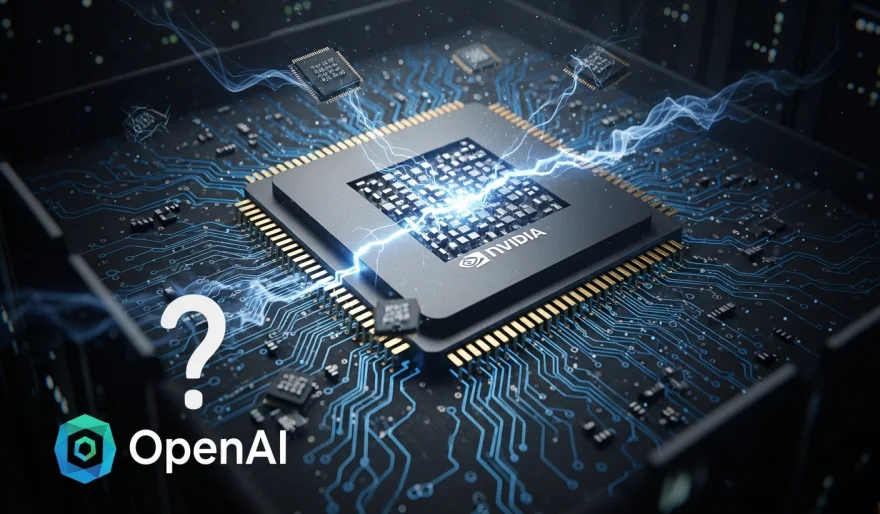
OpenAI is reportedly dissatisfied with some of Nvidia’s latest AI chips and has been exploring alternative options since last year, according to multiple sources.
If true, this could mark a rare crack in one of the most important partnerships powering the global AI boom.
What’s going on
Nvidia dominates the AI chip market, and its GPUs are the backbone of most advanced AI models — including those from OpenAI.
But sources say OpenAI has raised concerns about certain Nvidia chips and has quietly looked at alternatives, signaling that even Nvidia’s grip on AI hardware may not be untouchable.
Why this matters
This isn’t just a technical issue — it’s strategic.
If OpenAI starts diversifying away from Nvidia, it could:
-
Accelerate competition from AMD, Intel, or custom AI chips
-
Push big AI labs to build their own hardware
-
Shift power in the AI ecosystem from chipmakers to model builders
In short: the AI war is moving from software to silicon.
The bigger picture
As AI workloads explode, performance, cost, and efficiency matter more than ever.
Even small inefficiencies in chips can translate into billions in costs at scale.
That’s why OpenAI exploring alternatives is a signal:
the era of blind dependence on Nvidia may be ending.
The risk
For OpenAI, switching hardware isn’t easy — ecosystems, tooling, and optimization are deeply tied to Nvidia.
For Nvidia, losing even partial trust from top AI labs could open the door to rivals.
Bottom line
This isn’t about one chip.
It’s about who controls the future of AI infrastructure.
And for the first time in years, Nvidia’s dominance is being quietly questioned.



















 AI Agents