Stay Ahead of the Curve
Latest AI news, expert analysis, bold opinions, and key trends — delivered to your inbox.
The White House Wants to Slow Down OpenAI’s Next AI Model
3 min read The Trump administration has reportedly asked OpenAI to slow the release of GPT-5.6, with early access limited to government-approved partners before a wider public launch. June 26, 2026 13:52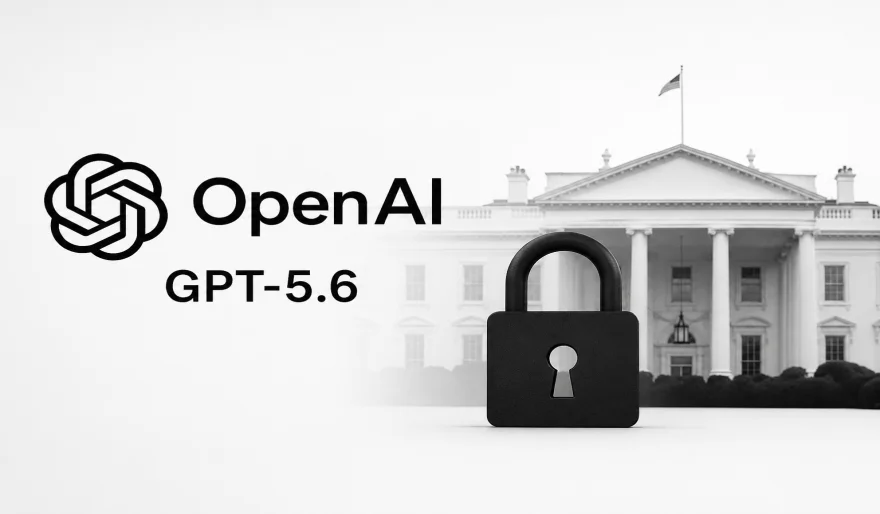
OpenAI's next flagship AI model may arrive under an entirely different playbook.
According to The Information, the company is preparing to release GPT-5.6 through a tightly controlled preview instead of its traditional broad public rollout. The decision reportedly follows requests from the Trump administration, which has expressed concerns about the safety and national security implications of deploying increasingly capable AI systems.
During an internal meeting this week, CEO Sam Altman reportedly told employees that access to the model would be approved "customer by customer" by the U.S. government throughout the preview period. If the rollout proceeds without major issues, OpenAI expects to expand availability to the general public within a couple of weeks.
The move represents a notable departure from previous OpenAI launches, where new frontier models were typically made available to millions of users shortly after announcement. Instead, GPT-5.6 could become one of the first major AI models whose distribution is directly shaped by government oversight before reaching the broader market.
The timing also reflects a broader shift in AI governance. As frontier models become more capable, governments are moving beyond regulating how AI is used to influencing how—and to whom—it is released. For OpenAI, the balancing act is becoming increasingly complex: maintaining rapid innovation while satisfying growing regulatory and national security expectations.
If confirmed, the rollout could establish a precedent that extends well beyond OpenAI. Future frontier AI releases from companies across the industry may increasingly involve phased deployments, government review, and restricted access before reaching the public—a fundamental change from the fast, open release cycles that have defined the generative AI boom over the past few years.
















 AI Agents