Stay Ahead of the Curve
Latest AI news, expert analysis, bold opinions, and key trends — delivered to your inbox.
U.S. Court Blocks OpenAI From Using “Cameo” Name
4 min read A federal court in California has ruled in favor of Cameo, ordering OpenAI to stop using the “Cameo” name in its AI video features. The court found the branding could confuse users, adding to a growing list of intellectual property disputes facing OpenAI as it expands into video and consumer products. February 18, 2026 15:02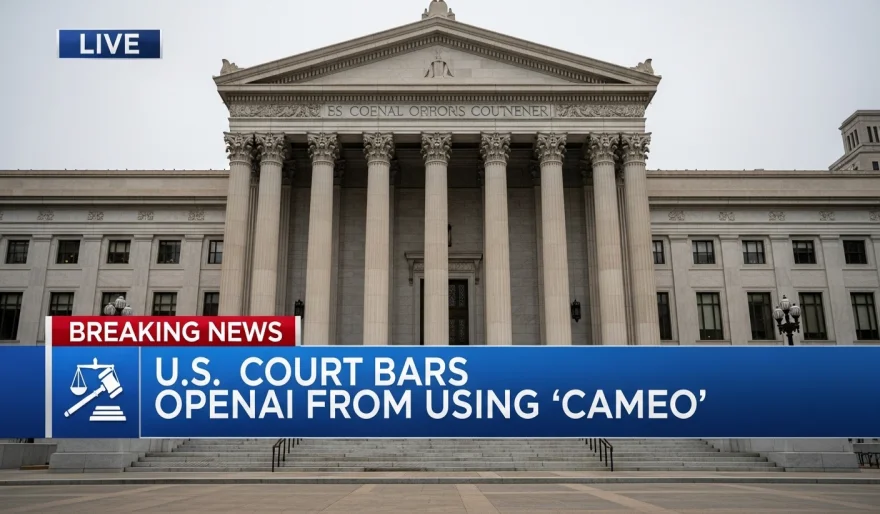
OpenAI just ran into another branding wall — this time in federal court.
A U.S. district court in Northern California has ruled in favor of Cameo, ordering OpenAI to stop using the name “Cameo” in its products and features.
What happened
OpenAI had used the “Cameo” name for a feature inside Sora 2, its AI video generation system, which allowed users to insert digital likenesses of themselves into AI-generated videos.
Cameo sued, arguing the name caused user confusion and traded on its brand — and the court agreed.
In its ruling, the judge said:
-
“Cameo” was similar enough to cause confusion
-
The term was not merely descriptive
-
It “suggests rather than describes” the feature
OpenAI’s defense didn’t hold.
This wasn’t sudden
Back in November, the court had already issued a temporary restraining order, forcing OpenAI to stop using the term. After that, OpenAI quietly renamed the feature to “Characters.”
This latest ruling makes that change permanent.
Why Cameo pushed back
Cameo CEO Steven Galanis framed the decision as a broader win for creators and brand integrity, saying the company has spent nearly a decade building trust around its name and would continue defending its intellectual property.
OpenAI isn’t backing down
OpenAI says it disagrees with the ruling, arguing that no one should have exclusive ownership over the word “cameo,” and indicated it plans to continue making its case.
The bigger pattern
This isn’t an isolated dispute.
OpenAI has been facing a growing list of intellectual property challenges, including:
-
Dropping “IO” branding tied to upcoming hardware
-
A lawsuit over the “Sora” name from a digital library company
-
Ongoing copyright disputes with artists, creators, and media organizations worldwide
As AI products expand into video, hardware, and consumer-facing tools, naming, likeness, and brand rights are becoming legal minefields.
The takeaway
AI companies aren’t just fighting over models and compute anymore.
They’re fighting over words, brands, and cultural meaning.
Hot take:
The next wave of AI regulation won’t just be about data and copyright.
It’ll be about identity — who owns a name, a face, and a concept in the age of generative media.


















 AI Agents