Stay Ahead of the Curve
Latest AI news, expert analysis, bold opinions, and key trends — delivered to your inbox.
Why Amazon Bought Bee: The AI Wearable That Could Take Alexa Beyond the Home
4 min read Amazon’s Bee acquisition isn’t about gadgets — it’s about pushing Alexa into the real world. Wearable AI means persistent context, always-on assistance, and a new battleground for consumer AI beyond the home. January 13, 2026 09:43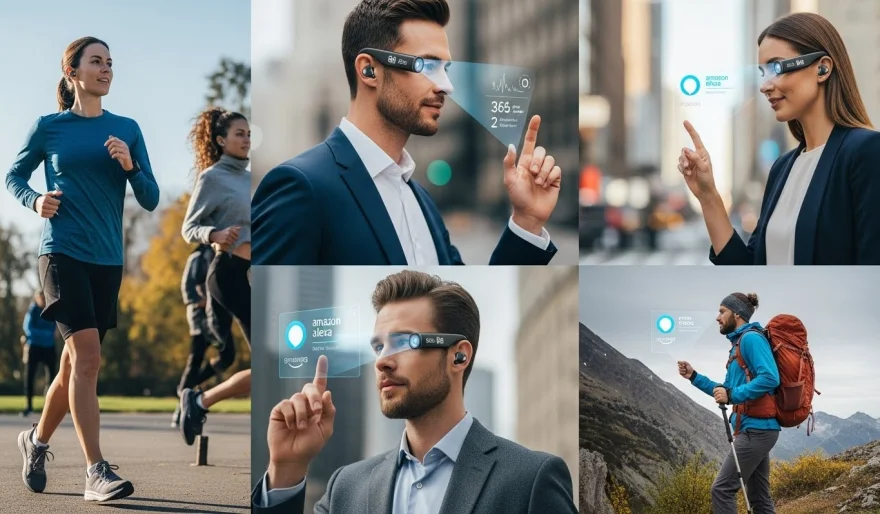
Amazon’s acquisition of Bee might look like just another CES-era gadget move — but it signals something much bigger about where consumer AI is heading.
Bee is a small, wearable AI device that can be clipped on like a pin or worn as a bracelet. Unlike smart speakers or displays, it’s designed to move with you. And that’s exactly the point.
Amazon already dominates AI inside the home with Alexa. The company says Alexa+ now works on 97% of the devices it’s ever shipped. But Alexa’s biggest limitation has always been location. Once you leave your house, Amazon largely loses the context.
Bee changes that.
By acquiring Bee, Amazon gains a way to push its AI beyond the living room and into daily life — meetings, commutes, social interactions, and real-world moments where voice assistants traditionally struggle. A wearable form factor gives Amazon continuous, ambient access to user context in a way phones and smart speakers can’t.
This isn’t just about hardware. It’s about data and presence.
Wearables sit at the intersection of AI, memory, and behavior. They can listen, summarize, remind, and eventually anticipate. For Amazon, Bee could become a new surface for Alexa+, one that’s always on, always nearby, and deeply personal.
Why this matters
AI is leaving the home
The next phase of consumer AI isn’t about smarter speakers — it’s about persistent assistants that travel with users.
Context is the new moat
Whoever owns real-world context (where you are, what you’re doing, what you just said) will build the most useful AI. Bee gives Amazon a foothold here.
The wearable AI race is heating up
Between Humane, Rabbit, Meta, and now Amazon, it’s clear Big Tech sees wearables as the next battleground for AI interfaces.
The bigger picture
Amazon didn’t buy Bee because it’s a flashy gadget. It bought Bee because AI assistants can’t stay stuck in the home forever. The future assistant is mobile, ambient, and deeply embedded in daily life — and Bee may be Amazon’s quiet step toward that future.
In the AI arms race, sometimes the smallest devices signal the biggest shifts.



















 AI Agents