Stay Ahead of the Curve
Latest AI news, expert analysis, bold opinions, and key trends — delivered to your inbox.
YouTubers Drag Snap Into the AI Copyright Wars
4 min read YouTubers behind h3h3, MrShortGame Golf, and Golfholics have added Snap to their AI copyright lawsuit, accusing the company of using their videos without permission to train features like Imagine Lens. The case highlights the growing legal battle over AI training data, with over 70 similar lawsuits now active. January 27, 2026 13:28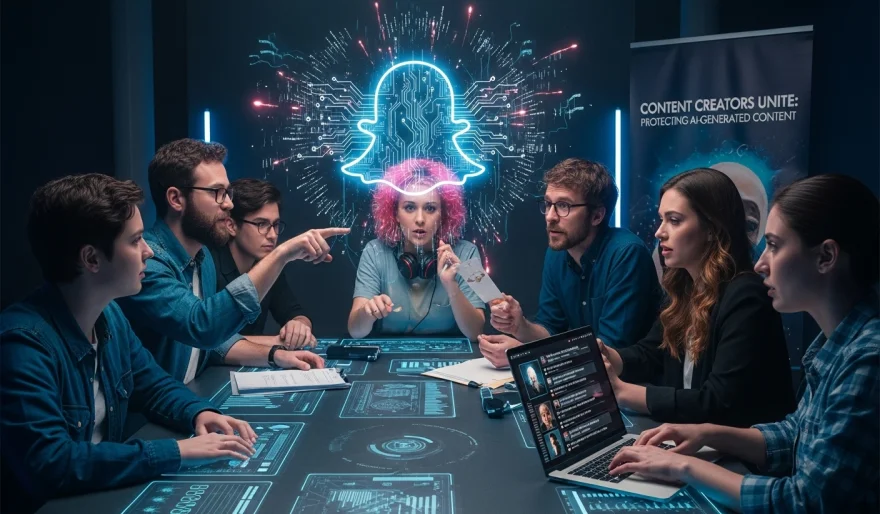
A group of YouTubers has filed a proposed class-action lawsuit accusing Snap of using their videos without permission to train its AI models, adding the Snapchat parent to a growing list of tech giants facing copyright claims over AI training practices.
What Snap is accused of
The creators allege that Snap trained its AI systems — including features like Imagine Lens, which lets users edit images with text prompts — on their YouTube videos without consent.
At the center of the case is Snap’s alleged use of HD-VILA-100M, a massive video-language dataset intended for academic and research use only. The lawsuit claims Snap:
-
Circumvented YouTube’s technical restrictions
-
Violated YouTube’s terms of service
-
Ignored licensing limits that prohibit commercial use
All to feed commercial AI products.
Who’s behind the lawsuit
The case is led by creators behind:
-
h3h3 (5.52M subscribers)
-
MrShortGame Golf
-
Golfholics
Together, the channels represent about 6.2 million subscribers. The plaintiffs are seeking statutory damages and a permanent injunction to stop the alleged infringement.
Snap isn’t alone
This isn’t the YouTubers’ first legal strike. They’ve already sued Nvidia, Meta, and ByteDance over similar claims.
Zooming out, the case is part of a much larger reckoning. According to the Copyright Alliance, over 70 copyright lawsuits have now been filed against AI companies — spanning publishers, authors, artists, newsrooms, and user-generated content platforms.
Why this matters
Courts are still split:
-
Meta has won in some cases
-
Anthropic has chosen to settle and pay
-
Many lawsuits remain unresolved
What’s at stake is foundational:
Can AI companies freely scrape public content for training — or does “public” stop at commercial reuse?
Bottom line:
As AI models grow more powerful, content creators are drawing a hard line. Snap’s case shows the copyright fight isn’t slowing down — it’s spreading.







 AI Agents